Selling your house is a big decision, and with homes taking longer to sell in some markets, renting might seem like a good backup plan.
But becoming a landlord comes with responsibilities and expenses. Before deciding, it’s worth understanding both options and what makes the most sense for your situation.
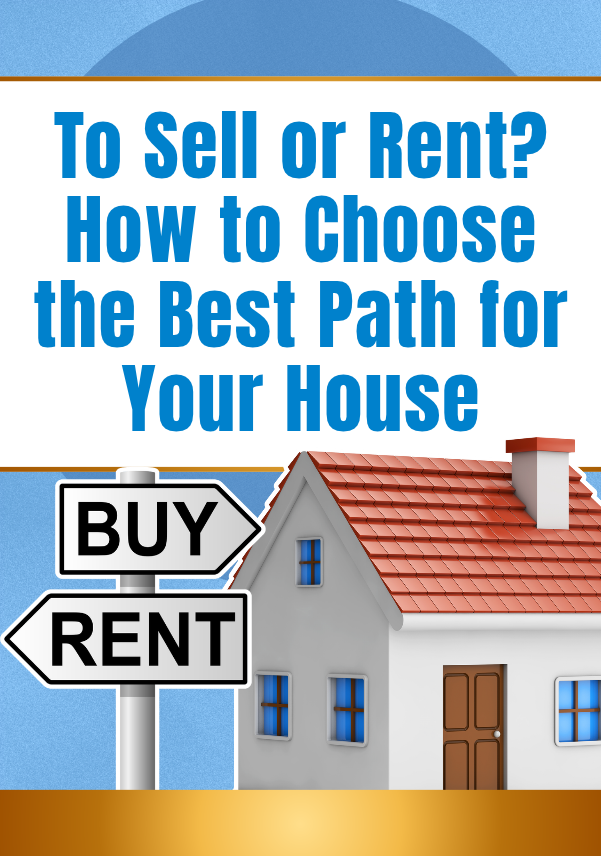

According to Parcl, around 9% of homes currently available for rent were previously listed for sale. Some homeowners expected a faster sale or a higher price, and when things didn’t go as planned, they chose to rent instead.
As Zillow Senior Economist Kara Ng explains, homes are taking longer to sell as bargaining power shifts toward buyers. Renting can give homeowners more time without immediately lowering their asking price.
However, a slower sale doesn’t mean selling is out of reach.
Pricing, preparation, and marketing all influence a home’s performance. Local conditions matter, too: accidental landlords account for around 17% of rental homes in Sherman and Houston, Texas, compared with less than 4% in Des Moines, Iowa, and Bloomington, Indiana.
A local real estate agent can help you understand how similar homes are selling and whether adjusting your strategy could improve your chances.
Renting may sound like easy passive income, but it requires ongoing work and legal compliance. Landlords may need to register rental agreements, provide required disclosures, and meet property safety standards.
You’ll also be responsible for missed rent payments, repairs, tenant turnover, and unexpected maintenance costs. According to Bankrate, some major expenses include:
Landlord insurance: Typically about 25% more than standard homeowners insurance.
Property management: Usually around 10% of the rent if you hire a manager.
Vacancies: You’ll still need to cover the mortgage when there’s no rental income.
Before renting, consider whether the potential income justifies the costs, time, and responsibilities involved.

If you’re prepared for the responsibilities, renting may be a good fit. But if you’d rather sell, don’t assume today’s market makes that impossible.
Work with your agent to establish the right asking price and create a marketing strategy that helps your home stand out. The right preparation and pricing from day one can make a meaningful difference and may help you avoid turning renting into a backup plan.
The Bottom Line
Renting can work for the right homeowner and property, but it isn’t your only option. A strong selling strategy can help your home attract buyers, even in a slower market.
📍 Not sure which path is right for you? Contact Lake Michigan Realty to compare your options and build a strategy that fits your goals.