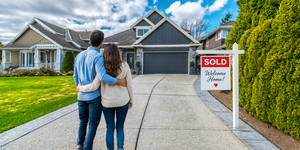
At some point a house that once fit just… stops fitting. Maybe you need more space, a proper home office, or a layout that works with how you live today. For many move-up buyers, the answer isn’t an older resale — it’s a brand-new home. New construction is capturing a bigger share of purchases: according to the National Association of Realtors, roughly 16% of recent home purchases were newly built — the highest share in nearly two decades. Below’s why that trend matters and what it means if you’re thinking of upgrading.
One of the biggest draws of new construction is simple: everything is new. No inheriting someone else’s deferred maintenance, no wondering when the roof or HVAC will fail, and no immediate renovation budget. New homes are often built to current codes and buyer preferences, which means better energy efficiency, contemporary floor plans, and built-in features (smart systems, better insulation, modern wiring) that older homes often lack. For move-up buyers who’ve already poured money into updates on their current house, the predictability of a new build can be a huge relief.
Buying new frequently gives you a chance to customize finishes — flooring, counters, lighting, cabinetry — so you can get the look and function you want without a lengthy remodel. Floor plans for new homes also tend to reflect how people live now (open kitchens, flexible workspaces, larger primary suites). Many developments add community amenities like parks, trails, pools or fitness spaces that extend living space beyond your walls. For families or buyers seeking a lifestyle change, those built-in conveniences are a major advantage.

With more new homes available, builders are motivated to sell and often offer incentives — price flexibility, closing-cost assistance, or upgrades — which can make new construction financially competitive. That said, timing can be different (construction windows, model vs. spec homes) and resale values depend on location and the neighborhood’s long-term appeal. It’s smart to weigh builder incentives and the total cost of ownership (HOA, maintenance expectations, and commute) against the convenience and features a new home provides.
Bottom line
If your current house no longer supports how you live, don’t assume your only option is another existing home. New construction is a strong option for move-up buyers seeking space, modern design, and fewer immediate maintenance headaches — and today builders are more willing to negotiate.
📍 Curious whether a new build makes sense for your next step? Let’s chat and compare the pros and cons for your situation.