Accessory Dwelling Units (ADUs) are small, independent living spaces on the same lot as a single-family home — and they’re becoming a practical option for many homeowners and buyers. ADUs can take different forms (an apartment over a garage, a finished basement unit, or a detached tiny house) and be configured for renting, family use, or home offices. Before you decide, here are the essentials to weigh.
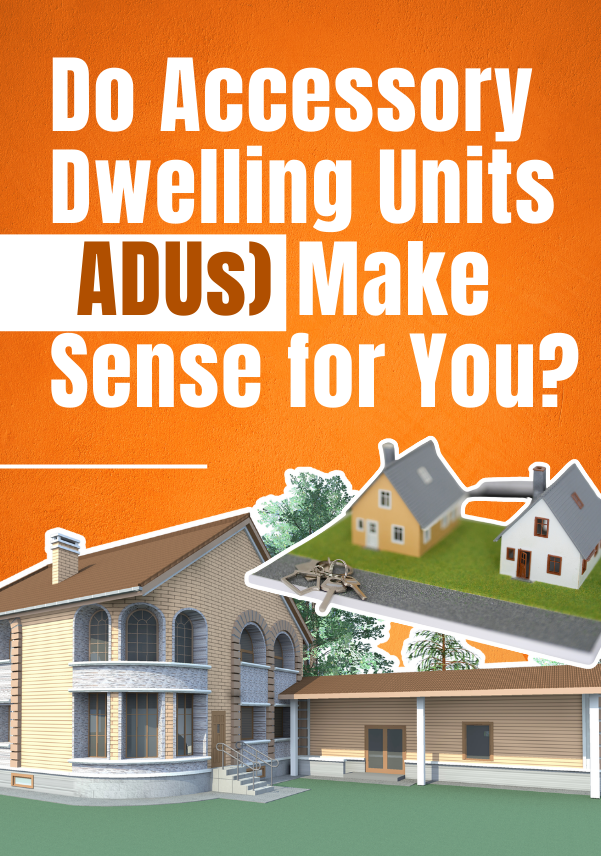

An ADU is a self-contained living space with its own sleeping, cooking and bathing area, located on the same property as the main house. They usually fall into three categories: internal (inside the main dwelling, like a basement apartment), attached (added to the main structure, such as over-garage units) or detached (a separate building on the lot). Sizes and finishes vary widely — from compact studios to one-bedroom units with full kitchens — so the right ADU depends on whether you want rental income, private space for a relative, or a flexible office/guest suite.

ADUs are popular because they solve several common needs at once:
Extra income. Renting an ADU can help cover mortgage payments or monthly expenses.
Family flexibility. ADUs let relatives live nearby with privacy — ideal for aging family members or adult children.
Childcare and guest housing. They can reduce childcare costs or offer a comfortable place for guests.
Long-term value and versatility. If you don’t rent it, an ADU can become an office, studio, or future living space.
The attractiveness and return of an ADU depend on local rental demand and the type of tenants you’re likely to find, but when the market supports it an ADU can meaningfully improve cash flow and property utility.

3) Important things to check before buying or building an ADU
Adding or buying a home with an ADU requires careful planning. Key issues to research:
Local regulations. Zoning, setbacks, permitted ADU types and whether ADUs may be sold separately vary by city and state — always confirm municipal rules first.
Costs and permits. Factor in construction, permits, utility hookups and accessibility requirements; budgets often need contingency for surprises.
Financing options. Talk to lenders about renovation loans, cash-out refinance or purchase programs that accomodate properties with ADUs.
Market demand & returns. Research comparable ADU rents and vacancy rates to estimate realistic income and payback time.
Insurance & taxes. An ADU may affect homeowner insurance and property tax assessments; consult your insurer and tax advisor.
Operational logistics. Consider parking, access, utilities and whether you’ll self-manage the rental or hire a property manager.
Good planning — permits, realistic cost estimates and professional oversight — is often the difference between a successful ADU and a headache. And if you prefer to avoid construction, buying a home that already includes an ADU is a lower-risk alternative.
Bottom line
ADUs can boost affordability, create income, and solve multigenerational housing needs — but their success depends on local rules, realistic cost/return estimates and thoughtful planning. I
📍 If you want to see ADU options in our area or check whether your lot can support one, contact us and we’ll walk through local regulations, practical costs, and likely rental scenarios.